
The guidance on this site is based on our own analysis and is meant to help you identify options and narrow down your choices. We do not advise or tell you which product to buy; undertake your own due diligence before entering into any agreement. Read our full disclosure here.
Can Travel Insurance Help if a Natural Disaster Affects Your Holiday?
In recent summers, thousands of British holidaymakers have been forced to flee popular European resorts as record-breaking wildfires swept through parts of Greece, Sicily, and Spain. From the mass evacuations in Rhodes to the flash flooding caused by Storm Herminia in early 2025, natural disasters are no longer rare occurrences—they are an increasingly frequent risk for modern travellers.
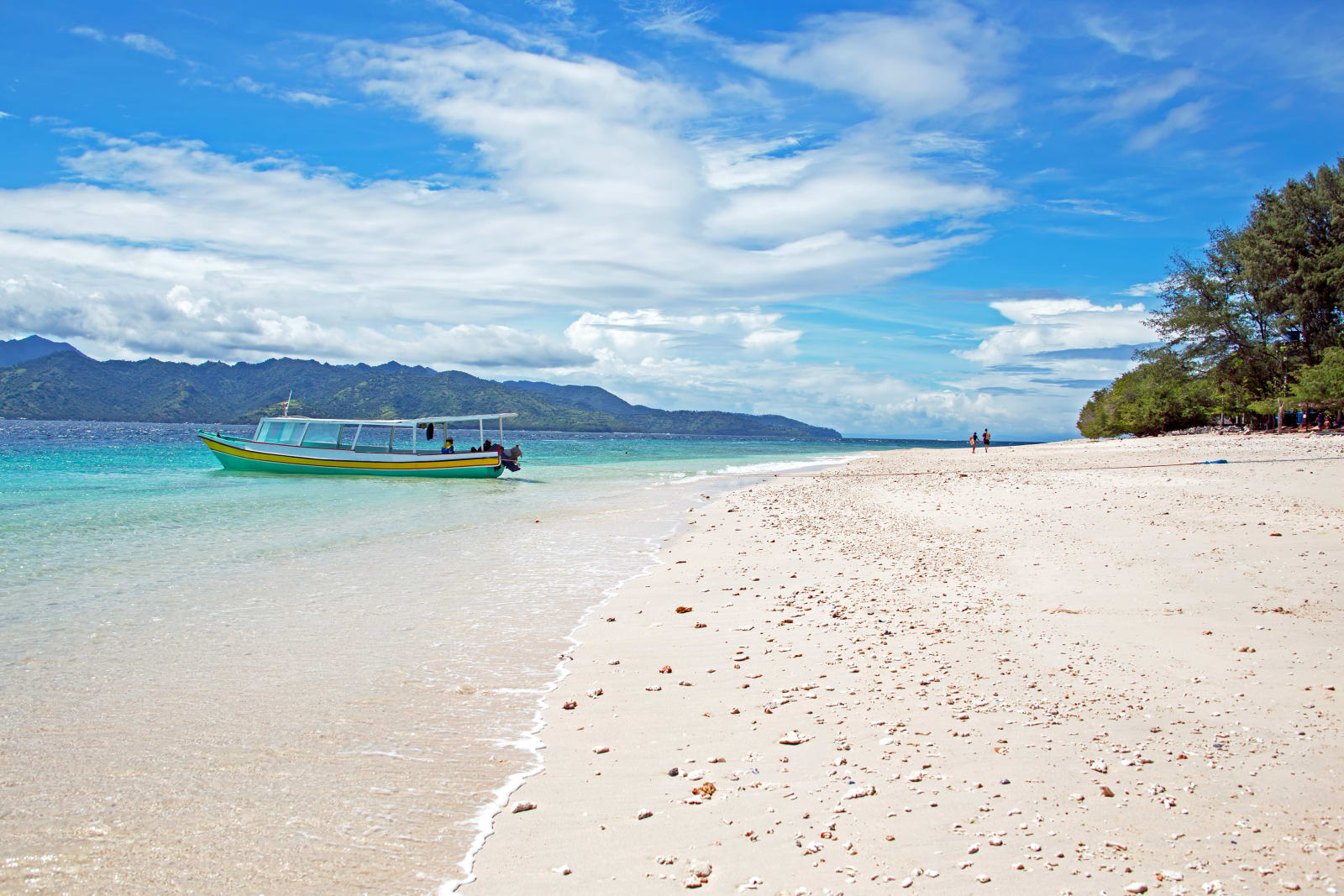
Even if you weren't personally affected by the Lombok disasters, you may now be wondering how to protect your future holidays against catastrophe. Travel insurance can help temper the financial blow—but only if natural disasters are covered under your policy. The likelihood you'll need catastrophe cover also depends on where you're travelling, as some areas are more prone to natural disaster than others. Read on to find out when it makes sense to pay for travel insurance with natural disaster cover and what to look out for.
Does all travel insurance cover natural disasters?
Many travel insurance plans will not reimburse you for costs you can't get back (e.g., air or hotel) if you cancel or cut short your trip due to natural disaster. If you're looking specifically for this type of protection, you'll need to search through the Policy Wording of a travel insurance plan to see what's covered. Unfortunately, different insurance providers use different terminology—we recommend searching the Policy Wording document (use Control+F to bring up the search tool) for key words such as "catastrophe," "travel disruption," "natural disaster," "earthquake," etc. to find the relevant language.
When reading through the Policy Wording, it is useful to look into the travel insurance exclusions. Claims won't be valid if you simply change your mind about a holiday or decide not to travel. In general, catastrophe claims are only valid if a local or national authority has confirmed it is unsafe to travel or stay at your destination. But the exact terms and wording vary from provider to provider.
Additionally, the Policy Wording will specify which natural disasters are covered. Usually this list includes: fire, storm, lightning, avalanche, landslide, explosion, hurricane, earthquake, volcanic activity (including ash cloud), flood, tidal wave, tsunami, medical epidemic and pandemic.
Paying extra for natural disaster cover
In 2026, many premium insurers continue to include Catastrophe or 'Travel Disruption' cover as standard in their top tiers. However, for entry-level plans, this is typically a paid add-on.
Current market testing shows that adding this protection now ranges from £12 to £45, depending on your destination and the length of your trip. On average, you should budget approximately £22 for a comprehensive 'enhanced travel disruption' add-on—a necessary increase reflecting the higher frequency of weather-related claims handled by insurers over the last three years.
When it makes sense to buy catastrophe cover
Is the added cost of catastrophe cover worth it? There is no right answer, as it depends on factors like your appetite for risk, the cost of your trip, the timing of your trip and how prone a destination is to unpredictable weather and catastrophic events. Recently, some of the popular areas prone to disaster include:
- The Caribbean: Hurricane risk remains a major concern for autumn travel. The record-breaking 2024 Atlantic hurricane season saw Hurricane Beryl become the earliest Category 5 storm on record, devastating parts of the Grenadines and Jamaica. Without 'catastrophe cover,' travellers whose hotels are damaged or whose flights are cancelled due to these intensified storms may find themselves significantly out of pocket.
- Greece and Turkey: Recent years have seen these regions hit by a 'double threat' of seismic activity and climate-driven fires. Following the devastating 7.8 magnitude earthquake in 2023 and subsequent tremors in the Aegean, insurers have seen a surge in 'disruption' claims. Furthermore, summer wildfires in 2024 and 2025 led to the largest tourist evacuations in Greek history.
- North America: Wildfire seasons are now starting earlier and lasting longer. In 2024/2025, severe blazes in Western Canada and California led to the evacuation of major tourist hubs like Jasper National Park. In today’s climate, checking for 'smoke and fire' coverage in your travel policy is just as important as checking for medical cover.
2026 Strategic Summary:
- The "EES" Connection: In 2026, many European border guards are checking for proof of insurance that includes emergency assistance. Ensuring your policy covers natural disasters can prevent entry delays at new digital EES kiosks.
- Defining "Catastrophe": Always check the 2026 policy wording. Some insurers now distinguish between 'natural' disasters (weather) and 'civil' catastrophes (strikes/terrorism). Make sure your add-on covers both to ensure full protection in an unpredictable global landscape.
Odds are you'll never need catastrophe cover, but paying extra for catastrophe cover may be worth every pound should misfortune strike.